


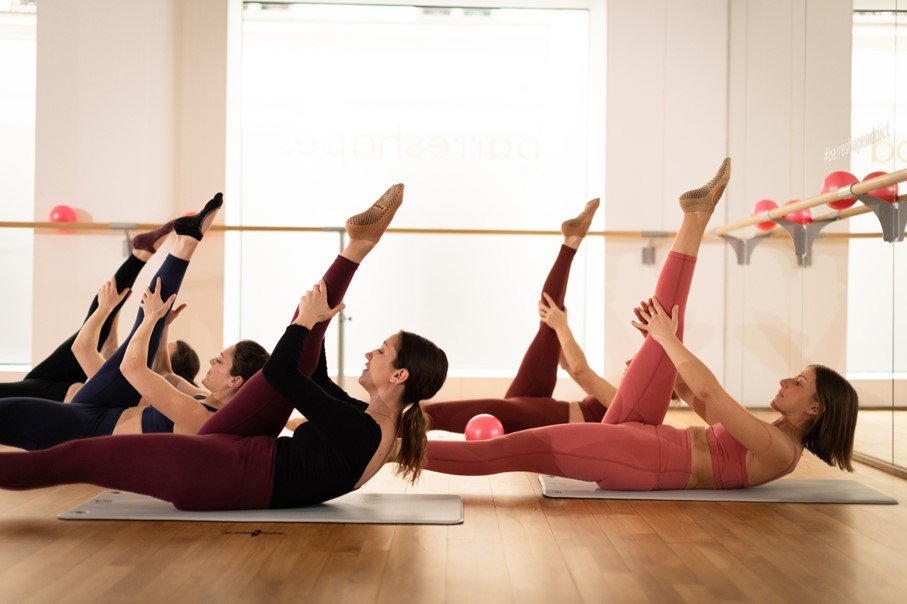
In today’s fast-paced world, prioritizing fitness is more important than ever. Incorporating a workout routine that balances strength, flexibility, and mindfulness can transform your body and mind. One of the most effective and trending methods in 2026 is barre yoga—a fusion of ballet-inspired movements, Pilates, and yoga designed to sculpt the body, enhance core strength, and improve overall balance.
Barre yoga workouts have captured the attention of fitness enthusiasts because they combine the grace of dance with the functional benefits of strength training. Unlike traditional high-impact exercises, barre yoga emphasizes controlled movements, precision, and alignment, making it suitable for all fitness levels. Whether you are a beginner or a seasoned athlete, integrating barre yoga into your routine can bring noticeable improvements in posture, flexibility, and muscle tone.
1:What is Barre Yoga?
Barre yoga is a unique fitness approach that blends elements of ballet and Pilates, and yoga. Originating from the Lotte Berk Method in the mid-20th century, barre was initially developed as a rehabilitative practice for dancers recovering from injury. Over the years, it evolved into a full-body workout accessible to everyone, focusing on small, controlled movements that target muscles often overlooked in traditional workouts.
Yoga brings mindfulness, breath control, and stretching to the mix, while Pilates contributes core stability and alignment. The result is a workout that strengthens and tones muscles, improves flexibility, and encourages a deep mind-body connection. Unlike high-intensity routines, barre yoga focuses on low-impact, repetitive movements that maximize results without stressing the joints.
2:Physical and Mental Benefits of Barre Yoga
Barre yoga offers a multitude of physical and mental benefits that make it a complete workout option for modern lifestyles.
Physical Benefits
- Muscle Toning and Strengthening: Small, targeted movements in barre yoga help define and sculpt muscles, especially in the arms, legs, glutes, and core.
- Improved Flexibility: Incorporating yoga stretches enhances muscle elasticity and joint mobility.
- Better Posture and Alignment: Barre exercises focus on precise body alignment, reducing slouching and promoting a strong, upright posture.
- Core Stability: Core engagement is a major component which strengthens the abdominal muscles and improves balance.
- Low-Impact Workout: Barre yoga minimizes stress on joints while still providing an effective full body workout.
Mental Benefits
- Enhanced Focus: The concentration required for controlled movements helps sharpen mental clarity.
- Stress Relief: Coordinating breath with movement provides a calming, meditative effect.
- Mind-Body Connection: Awareness of posture and alignment fosters mindfulness and self-discipline.
- Mood Boost: Endorphins released during barre yoga sessions improve overall mood and energy.
You Should Know: With these benefits and barre yoga goes beyond traditional exercise it nurtures both body and mind.
3:Top Barre Yoga Exercises For 2026
Here are some of the most effective barre yoga exercises trending in 2026. These moves target multiple muscle groups and can be adapted to any fitness level.
1. Plie Squats with Reach
- Stand with feet slightly wider than hip-width, toes turned out.
- Lower into a plie squat while keeping your spine straight.
- Extend arms overhead or forward for added balance.
- Repeat 12–15 times to tone thighs, glutes, and shoulders.
2. Single-Leg Lifts at the Barre
- Hold onto a barre or stable surface for support.
- Lift one leg behind you while keeping the other leg slightly bent.
- Engage your core and glutes while maintaining balance.
- Perform 12–15 reps per leg.
- Strengthens the glutes, hamstrings, and core stability.
3. Arm Pulses
- Stand with feet hip-width apart, holding light weights if desired.
- Extend arms to the sides or front and pulse small movements.
- Focus on keeping your shoulders relaxed and engaging your upper body muscles.
- Repeat 20–30 pulses for toned arms and shoulders.
4. Bridge Pose with Heel Pulse
- Lie on your back, knees bent, feet flat on the floor.
- Lift your hips into a bridge pose.
- Pulse heels toward the floor without lowering hips completely.
- Repeat 15–20 times to strengthen glutes and hamstrings.
5. Standing Side Leg Lifts
- Stand tall, holding a barre for support.
- Lift one leg to the side while keeping your torso upright.
- Lower slowly and repeat 12–15 times per side.
- Improves hip strength, outer thighs, and balance.
6. Plank with Leg Lift
- Begin in a standard plank position.
- Lift one leg at a time, keeping your core tight and hips stable.
- Alternate legs 10–12 times per side.
- Strengthens core, shoulders, and lower body.
7. Yoga Flow Integration
- End your session with a brief yoga flow: cat-cow stretches, downward dog, and seated twists.
- This aids flexibility, reduces muscle tension, and enhances mind-body connection.
4:Why Barre Yoga Stands Out Among Other Workouts
Many people wonder how barre yoga differs from traditional workouts like Pilates, yoga alone, or high-intensity interval training (HIIT).
- Barre Yoga vs Pilates: While both focus on core strength and low-impact movements, barre yoga incorporates more dynamic pulses, ballet-inspired leg work, and mindfulness elements from yoga.
- Barre Yoga vs Yoga: Traditional yoga emphasizes stretching, breath, and spiritual awareness. Barre yoga adds targeted muscle sculpting and repetitive, small movements for a stronger tone.
- Barre Yoga vs HIIT: HIIT is high impact and cardiovascular focused. Barre yoga is low-impact, prioritizes strength, flexibility, and endurance over fast-paced cardio.
You Should Know: By combining elements from both Pilates and yoga, barre yoga provides a balanced workout that addresses strength, flexibility, and mental focus in one session.
5:Tips For Maximizing Your Barre Yoga Routine
- Consistency is Key: Aim for at least 3 sessions per week for optimal results.
- Focus on Form: Proper alignment ensures muscle engagement and reduces the risk of injury.
- Modify as Needed: Beginners can adjust movements or reduce reps, while advanced practitioners can add resistance bands or light weights.
- Use a Barre or Stable Surface: For exercises that require balance and support is essential.
- Integrate Breathing: Coordinate each movement with deep, mindful breaths to enhance mind-body connection.
- Hydrate and Rest: Drink water before and after sessions and allow recovery time for muscles.
6:2026 Barre Yoga Trends
As barre yoga evolves 2026 introduces new trends to enhance workouts:
- Fusion Classes: Combining barre yoga with light cardio or dance-inspired routines.
- Virtual Barre Yoga: Streaming online classes to fit busy lifestyles.
- Mindfulness Integration: More emphasis on meditation and breathwork during routines.
- Wearable Tech: Heart rate monitors and fitness trackers integrated into barre yoga sessions.
- Eco Friendly Equipment: Sustainable yoga mats and barres made from recycled materials.
These innovations make barre yoga more accessible and enjoyable and effective than ever before.
7:Tips to Prevent Injuries in Barre Yoga
While barre yoga is low-impact, safety remains essential:
- Warm up before starting to prevent injuries.
- Maintain proper posture during each exercise.
- Avoid overextending joints or holding positions beyond comfort.
- Pregnant individuals or those with injuries should consult a healthcare professional.
By following these precautions, you can safely enjoy the full benefits of barre yoga.
Wrap up
Barre yoga is one of the most effective workouts in 2026, combining strength, flexibility, and mindfulness in one routine. Its unique fusion of ballet, Pilates, and yoga targets muscles often neglected in traditional workouts while promoting posture, core strength, and mental focus. With the right exercises, consistency, and attention to form, barre yoga helps sculpt the body, enhance flexibility, and reduce stress.
From plie squats and bridge pulses to standing leg lifts and yoga flows, barre yoga offers a versatile workout suitable for all fitness levels. With modern trends like fusion classes, virtual sessions, and mindfulness integration, it has never been easier or more enjoyable to incorporate barre yoga into your lifestyle.
Barre Yoga FAQ: Answers for Beginners and Experts
1. How often should I practice barre yoga?
Aim for 3–5 sessions per week for best results, depending on your fitness level.
2. Do I need a barre to do barre yoga at home?
A barre or stable surface helps with balance, but many exercises can be modified using a chair or countertop.
3. Can beginners try barre yoga?
Absolutely. Movements can be adapted for all fitness levels, and modifications are encouraged.
4. Is barre yoga better than traditional yoga?
Barre yoga complements traditional yoga by adding strength and toning elements while maintaining flexibility and mindfulness.
5. What equipment do I need for a barre yoga session?
A yoga mat and optional light weights, resistance bands, and a barre or stable support are sufficient.


