


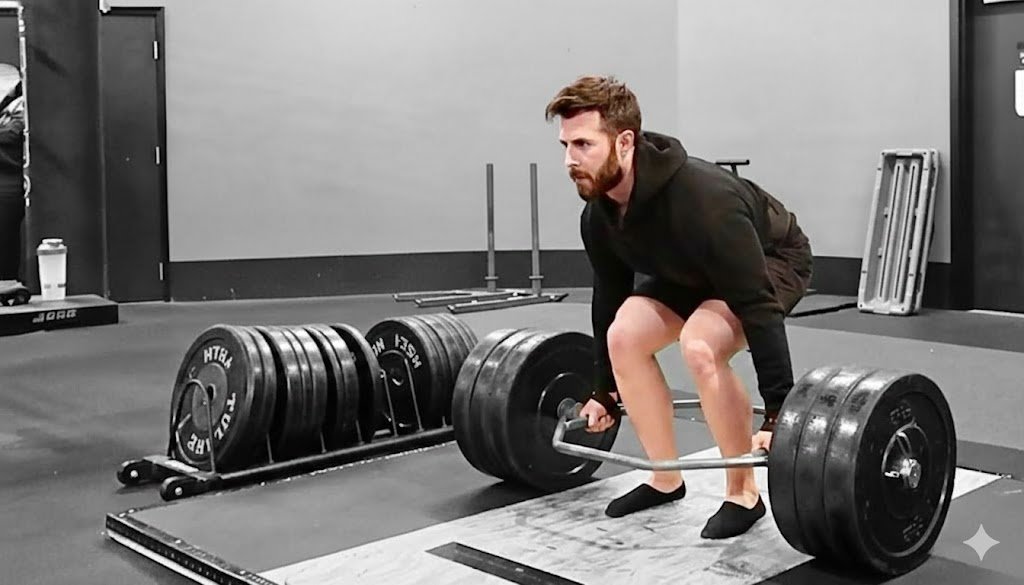
Strength training is a cornerstone of fitness, whether you are an athlete, a bodybuilder, or someone aiming for general health. Choosing the right equipment is crucial for effective workouts, and one debate that often arises in gyms is hex barbell vs standard barbell. Both have unique advantages and applications, and understanding their differences can help you maximize results while reducing injury risk.
Among these options the hex barbell has gained popularity for its ergonomic design, versatility, and suitability for lifters of all levels. In this article, we find the differences between hex barbells and standard barbells, discuss the benefits of each, and provide guidance on choosing the right tool for your fitness goals.
1:What is a Hex Barbell?
A hex barbell, also known as a trap bar, is a hexagon-shaped bar designed to allow lifters to stand inside the bar while performing exercises. Unlike a standard barbell, where the weight is held in front of the body, the hex bar distributes the load evenly around your center of gravity. This reduces strain on the lower back and improves lifting mechanics.
Key Features of Hex Barbells:
- Hexagonal frame for neutral grip positioning
- Elevated handles for ergonomic lifting
- Available in different weights such as Titan Hex bar or Olympic versions
- Versatile for deadlifts, shrugs, farmer’s carries, and squats
Key Points to Know:The design allows beginners and experienced lifters alike to perform exercises safely while targeting multiple muscle groups efficiently.
2:What is a Standard Barbell?
A standard barbell is a straight bar, usually 7 feet long, where weights are loaded on either end. It is the classic choice for powerlifting, Olympic lifting, and bodybuilding routines. Standard barbells are excellent for traditional lifts like the squat, bench press, and conventional deadlift.
Key Features of Standard Barbells:
- Straight bar design with rotating sleeves for smooth lifts
- Typically weighs around 20 kg (men’s) or 15 kg (women’s)
- Compatible with Olympic weight plates
- Ideal for compound movements and progressive overload
You Should Know: While versatile and standard barbells require proper form to prevent injuries, particularly in exercises like the deadlift which place stress on the lower back.
3:Differences Between Hex Barbell and Standard Barbell
1. Grip and Ergonomics
- Hex barbell: Allows a neutral grip, reducing shoulder and wrist strain.
- Standard barbell: Uses a pronated or mixed grip, which can put more stress on the wrists, forearms, and shoulders.
2. Weight Distribution
- Hex barbell: Centers the weight around your body, improving balance and reducing lumbar stress.
- Standard barbell: Place the weight in front of your body, increasing torque on the lower back during lifts.
3. Exercise Variations
- Hex barbell: Excellent for hex barbell deadlift, shrugs, and farmer’s carries. Handles can be high or low depending on bar design.
- Standard barbell: Best for squats, bench press, overhead press, and conventional deadlifts.
4. Muscle Engagement
- Hex barbell: Emphasizes quadriceps, traps, and glutes while reducing spinal loading.
- Standard barbell: Focuses more on posterior chain (hamstrings, glutes, spinal erectors) during deadlifts.
5. Safety
- Hex barbell: Safer for beginners or those with lower back concerns due to ergonomic lift path.
- Standard barbell: Requires strict form to avoid lower back injury.
4:Types of Hex Barbells
When selecting a hex bar, consider the following types:
1. Titan Hex Bar
The Titan Hex bar is a popular choice for commercial gyms and home setups. Known for durability and quality construction, it often comes with elevated and standard handles for various lifts.
2. Olympic Hex Bar
The Olympic hex bar weight varies, typically around 20–25 kg without plates. It is designed to handle heavier loads and is compatible with Olympic plates. The Olympic hex bar allows for progressive overload and strength-focused training.
3. Hex Bar Weight in Kg
Hex bars come in different weights: standard training versions weigh around 15–20 kg, while competition-grade models can go up to 30 kg or more. Always check the hex bar weight kg before purchasing to match your lifting requirements.
5:Benefits of Using a Hex Barbell
- Reduces Lower Back Stress
The neutral grip and centered weight distribution reduce torque on the lower back, making lifts safer. - Improves Lifting Mechanics
Beginners often find it easier to maintain proper form during deadlifts and squats with a hex barbell. - Versatility
A single bar can be used for hex barbell deadlift, shrugs, farmer’s carries, and even overhead presses in some routines. - Supports Progressive Overload
With Olympic hex bar weight compatibility, you can progressively increase loads, enhancing strength and hypertrophy. - Encourages Full-Body Engagement
Engages quads, glutes, traps, and arms simultaneously, making it ideal for compound lifts.
6:Standard Barbell Advantages
While hex barbells are versatile, standard barbells have their own advantages:
- Better for Olympic lifts: Snatch, clean, and jerk require straight bar mechanics.
- Posterior chain focus: Deadlifts with standard bars target hamstrings, spinal erectors, and glutes.
- Widely available: Most gyms provide standard barbells, making them accessible.
- Variety of grips: Allows mixed, pronated, or supinated grips for varied training stimulus.
7:Hex Barbell Deadlift: Why It’s Popular
The hex barbell deadlift has become a staple in modern training routines. Unlike the conventional deadlift, it:
- Reduces shear force on the spine
- Promotes upright posture
- Enhances quadriceps engagement
- Improves grip and overall control
This makes it ideal for beginners, powerlifters, and athletes aiming for explosive strength without compromising safety.
8:Choosing Between Hex Barbell and Standard Barbell
Your choice depends on training goals:
- Goal: Strength and Hypertrophy → Both bars are useful, but hex barbells allow safer heavy lifting for quads and traps.
- Goal: Olympic Lifting → Standard barbells are mandatory due to lift mechanics.
- Goal: Back Safety → Hex barbell reduces lumbar stress, making it beginner-friendly.
- Goal: Versatility → Hex barbell can be used for multiple compound and accessory movements.
You Should Know: Brands like Titan Hex bar or Olympic hex bar weight models are excellent investments for long term gym setups.
9:Tips For Effective Hex Barbell Training
- Warm-Up Properly – Always perform dynamic stretches and light lifts before heavy sets.
- Start with Moderate Weight – Gradually increase load using plates suitable for your strength level.
- Maintain Proper Posture – Keep your back straight and engage core during all lifts.
- Incorporate Accessory Movements – Combine shrugs, farmer’s carries, and partial lifts for balanced development.
- Track Progress – Note your hex bar weight kg increments to ensure progressive overload.
10:Full Body Training with Hex and Standard Barbells
Many lifters find value in combining hex and standard barbells:
- Start workouts with hex barbell deadlift for safety and strength
- Switch to standard bar for posterior chain focus
- Alternate weekly for balanced muscle engagement
- Include complementary accessory lifts to prevent plateaus
This approach allows you to harness the best of both worlds while minimizing injury risk.
Wrap up
Both hex barbell and standard barbell have unique benefits. The hex bar offers ergonomic lifting, reduced lower back stress, and versatility for deadlifts, shrugs, and carries, making it ideal for beginners and intermediate lifters. Standard barbells excel in Olympic lifts, posterior chain development, and traditional strength routines. Considering your goals, combining both can maximize results. Investing in quality brands such as Titan Hex bar or Olympic hex bar weight options ensures durability and performance. Whether lifting for strength, hypertrophy, or functional fitness, understanding the differences allows smarter and safer training decisions.
Quick Answers to Hex Barbell Questions
1. What is the standard hex bar weight in kg?
Most hex barbells weigh between 15–25 kg, but Olympic or competition models can go up to 30 kg or more.
2. Can beginners use a hex barbell for deadlifts?
Yes. The neutral grip and centered weight distribution make hex barbell deadlift beginner-friendly and safer for the lower back.
3. What is the difference between Titan Hex bar and Olympic hex bar?
Titan Hex bar is known for durability and gym quality design, while Olympic hex bar weight is compatible with heavier Olympic plates for progressive strength training.
4. Should I alternate between hex barbell and standard barbell?
Yes. alternating helps target different muscle groups and maintain versatility and prevent overuse injuries.
5. How often should I train with a hex barbell?
2–3 times per week is recommended and depending on your program and recovery. Focus on progressive overload and proper technique.


