


The female organ reproductive system is a complex network of organs and tissues designed to support reproduction, hormonal balance, and overall reproductive health. Understanding its structure, functions, and potential problems is essential for maintaining optimal health. From menstruation and fertility to menopause, this system plays a vital role in a woman’s life. In this article, we explore the anatomy, common issues, and practical solutions to keep the female reproductive system functioning well.
1:A Complete Guide to the Female Organ Reproductive System
The female organ reproductive system consists of internal and external organs that work together to perform reproductive and hormonal functions. Its primary roles include producing eggs (ova), facilitating fertilization, supporting pregnancy, and enabling childbirth. Additionally, it helps regulate the menstrual cycle and maintain hormone balance.
2:External Female Reproductive Organs
The external female reproductive organs, collectively called the vulva, include the labia majora, labia minora, clitoris, and vaginal opening. These organs protect internal structures and play a key role in sexual sensation and reproduction. The clitoris is highly sensitive and contributes to sexual arousal, while the labia protects the vaginal canal from infections and mechanical stress.
3:Internal Female Reproductive Organs
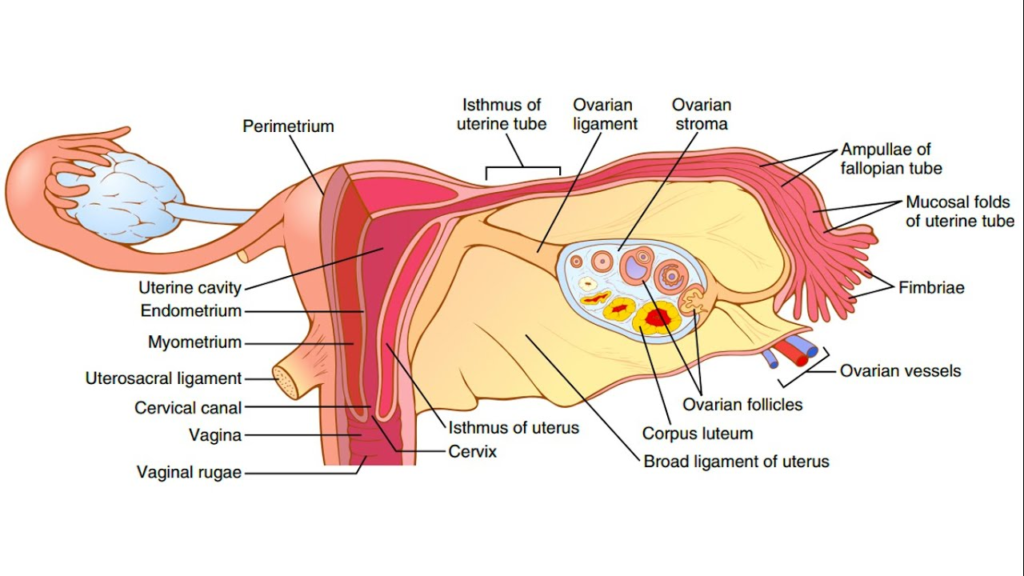
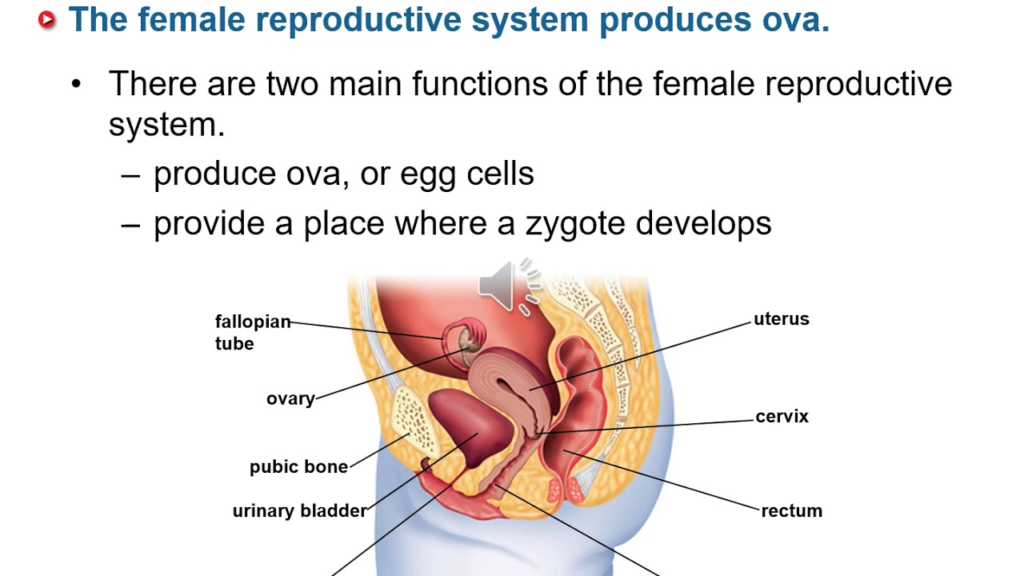
Internal organs include the ovaries, fallopian tubes, uterus, and vagina. The ovaries produce eggs and secrete hormones like estrogen and progesterone. The fallopian tubes transport eggs from the ovaries to the uterus, where fertilization may occur. The uterus provides a nurturing environment for a developing embryo, and the vagina serves as the canal for menstrual flow, sexual intercourse, and childbirth.

4:Female Reproductive System Parts and Functions
Understanding the female reproductive system parts and functions helps identify issues that may arise. Each organ has specific roles:
- Ovaries: Produce eggs and hormones essential for reproductive health.
- Fallopian Tubes: Guide eggs toward the uterus and serve as the site of fertilization.
- Uterus: Houses and nourishes the embryo during pregnancy.
- Vagina: Serves as a passageway for menstruation, intercourse, and childbirth.
- External Organs: Protect internal organs and enhance sexual function.
5:Common Problems in the Female Organ Reproductive System
Women may encounter several health issues affecting their reproductive system. These problems can impact fertility, hormonal balance, and overall well-being.
1. Menstrual Irregularities
Irregular periods, heavy bleeding, or missed cycles can indicate hormonal imbalances or underlying conditions such as polycystic ovary syndrome (PCOS). Stress, diet, and lifestyle can also contribute to menstrual disturbances.
Solution: Maintaining a balanced diet, managing stress, and consulting a gynecologist can help regulate cycles. Hormonal therapies may also be prescribed for specific conditions like PCOS.
2. Ovarian Cysts
Ovarian cysts are fluid-filled sacs that form on the ovaries. Most are harmless, but some can cause pain, bloating, or fertility issues.
Solution: Small cysts often resolve on their own, while larger or persistent cysts may require medical intervention, including medication or minor surgery.
3. Endometriosis
Endometriosis occurs when uterine tissue grows outside the uterus, causing pain, heavy periods, and sometimes infertility.
Solution: Pain management with NSAIDs, hormonal therapies, and in severe cases, surgical removal of excess tissue can alleviate symptoms.
4. Infections and STIs
Bacterial, viral, or fungal infections can affect both internal and external reproductive organs. Common issues include yeast infections, bacterial vaginosis, and sexually transmitted infections (STIs) like chlamydia or gonorrhea.
Solution: Maintaining proper hygiene, using barrier methods during sexual activity, and seeking prompt medical care can prevent and treat infections.
5. Polycystic Ovary Syndrome (PCOS)
PCOS is a hormonal disorder causing irregular periods, acne, weight gain, and fertility challenges. It affects ovulation and can lead to long-term health issues if untreated.
Solution: Lifestyle modifications, such as weight management, exercise, and balanced diet, combined with medical therapies like hormonal treatment, can manage PCOS symptoms effectively.
6. Infertility
Infertility may result from ovulation disorders, blocked fallopian tubes, endometriosis, or uterine abnormalities. Both partners should undergo evaluation to identify causes.
Solution: Assisted reproductive technologies, fertility medications, and lifestyle adjustments can help achieve successful conception.
6:Strategies For Female Reproductive System Wellness
Good reproductive health relies on lifestyle, diet, and regular medical care.
Diet and Nutrition
A nutrient-rich diet supports hormonal balance and reproductive function. Essential nutrients include:
- Iron: Prevents anemia due to heavy periods.
- Folate: Important for ovary health and pregnancy.
- Calcium & Vitamin D: Supports bone and hormonal health.
- Antioxidants: Found in fruits and vegetables, help reduce oxidative stress on reproductive organs.
Regular Exercise
Physical activity improves circulation, supports hormonal balance, and helps maintain a healthy weight, which is crucial for reproductive health.
Hygiene and Care
Maintaining proper hygiene of the external female reproductive organs prevents infections and irritation. Avoid harsh soaps, wear breathable clothing, and follow safe practices during menstruation.
Medical Check-Ups
Regular gynecological exams can detect problems early. Pap smears, ultrasounds, and hormone tests help monitor reproductive health and prevent complications.
7:Tips For Optimal Reproductive Health
- Manage Stress: Stress can disrupt menstrual cycles and fertility. Practices like yoga, meditation, and deep breathing improve reproductive health.
- Avoid Smoking and Alcohol: Both can negatively impact fertility and hormonal balance.
- Safe Sexual Practices: Reduce risk of STIs with barrier methods and regular screenings.
- Track Menstrual Cycles: Helps detect irregularities and identify potential issues early.
- Stay Hydrated: Proper hydration supports overall organ function, including reproductive health.
8:Advanced Treatments and Therapies
For specific conditions, medical intervention may be required.
Hormonal Therapy
Hormonal treatments regulate cycles, manage symptoms of PCOS, and support fertility.
Surgery
Surgical procedures address structural problems such as uterine fibroids, blocked fallopian tubes, or severe endometriosis.
Fertility Treatments
Assisted reproductive technologies like IVF and IUI are available for women facing infertility challenges.

9:How to Prevent Reproductive Health Issues
Prevention is better than cure when it comes to reproductive health. Key preventive measures include:
- Regular Health Screenings: Pap smears, ultrasound, and hormone tests.
- Vaccinations: HPV vaccine reduces risk of cervical cancer.
- Healthy Weight: Reduces risk of PCOS, diabetes, and fertility issues.
- Balanced Diet: Supports organ function and hormonal health.
- Safe Practices: Protects against infections and sexually transmitted diseases.
Wrap up
The female organ reproductive system is essential for fertility, hormonal balance, and overall health. Awareness of female reproductive system parts and functions, along with understanding external female reproductive organs, helps in early detection and prevention of common problems. Regular check-ups, a balanced diet, exercise, and safe practices contribute to long-term reproductive wellness. By adopting healthy habits and seeking timely medical care, women can maintain optimal reproductive health throughout their lives.
Top Questions on the Female Organ Reproductive System
1. What are the main parts of the female organ reproductive system?
The main parts include the ovaries and fallopian tubes, uterus, vagina, and external organs such as the labia and clitoris.
2. How can I maintain a healthy female reproductive system?
Eat a balanced diet, exercise regularly, practice proper hygiene, and schedule regular gynecological check-ups.
3. What are common problems in the female reproductive system?
Menstrual irregularities, ovarian cysts, endometriosis, infections, and PCOS are among the most common issues.
4. Can lifestyle changes improve reproductive health?
Yes. Stress management, proper diet, exercise, avoiding smoking, and safe sexual practices improve reproductive health significantly.
5. When should I consult a doctor about reproductive health?
Seek medical advice if you experience irregular periods, severe pain, unusual discharge, fertility issues, or signs of infection.


