Black Turmeric A Powerful Herbal Remedy For Modern Wellness in 2026
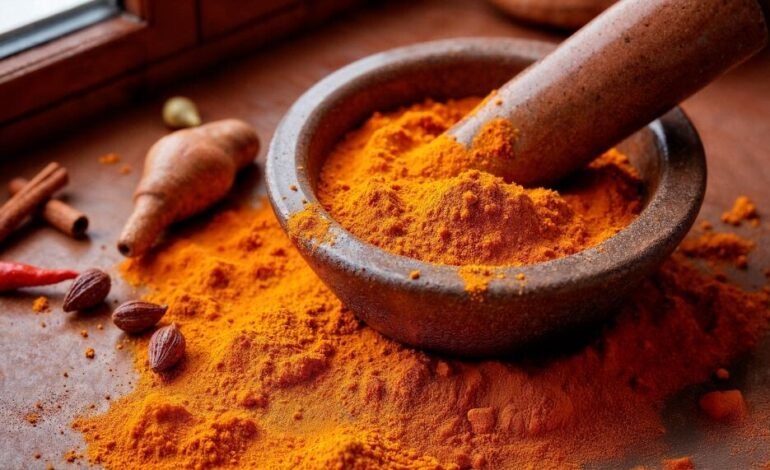

Black turmeric, scientifically known as Curcuma caesia, is a rare and highly valued medicinal herb widely used in traditional healing systems. Unlike common turmeric, this variety has a deep bluish-black rhizome and a strong aroma, which sets it apart both visually and therapeutically. In 2026, turmeric is gaining renewed attention due to the global shift toward natural remedies, herbal wellness, and plant-based healing solutions.
For centuries, this herb has played a vital role in Ayurveda, folk medicine, and indigenous health practices. Today, modern research continues to explore its therapeutic potential, making it an important ingredient in holistic wellness, skincare, and preventive healthcare.
1:A Herbal Science Overview
Black turmeric belongs to the ginger family and grows mainly in tropical regions of South Asia. It thrives in warm, humid climates and requires rich soil for optimal growth. Traditionally, healers considered it a sacred plant because of its powerful medicinal properties and limited availability. What makes turmeric unique is its high concentration of bioactive compounds, including curcuminoids, essential oils, and antioxidants.
2:How it Was Used in Ancient Medicine
Ancient healing systems valued black turmeric as a protective and restorative herb. In Ayurveda, practitioners used it to balance the body’s internal systems and improve vitality. Folk healers applied it externally for wounds, swelling, and skin issues, while internal preparations supported digestion and immunity.In many cultures, turmeric also held spiritual significance. People believed it protected against negative energy and promoted physical and mental strength.
3:How Turmeric Supports Health Naturally
turmeric contains a rich profile of natural compounds that support health in multiple ways. Its medicinal value lies in its ability to work holistically rather than targeting a single issue.
Key medicinal properties include:
- Anti-inflammatory support for joints and muscles
- Antioxidant protection against cellular damage
- Antibacterial and antifungal action
- Immune system strengthening
- Natural pain-relieving effects
Key Points to Know:Because of these properties, turmeric is often used in traditional formulations aimed at long-term wellness rather than short-term relief.
4:Soothing Inflammation and Pain Naturally
One of the most recognized uses of turmeric is its role in managing inflammation. Herbal practitioners often recommend it for joint discomfort, muscle stiffness, and minor injuries. Its natural compounds help calm inflammatory responses, making it suitable for people seeking plant-based alternatives to synthetic options.External application in paste or oil form has been common in traditional practices, especially for localized pain and swelling.
5:Role in Digestive and Metabolic Health
turmeric supports healthy digestion by stimulating digestive enzymes and improving gut balance. Traditional healers used it to relieve bloating, support appetite, and maintain digestive comfort.A balanced digestive system directly impacts overall energy levels and nutrient absorption, which is why turmeric is often included in holistic wellness routines focused on metabolic balance.
6:Immune System Support
In 2026, immune health remains a top priority worldwide.turmeric contributes to immune resilience by supporting the body’s natural defense mechanisms. Its antioxidant compounds help neutralize free radicals, reducing stress on the immune system.Regular, moderate use under proper guidance can help maintain year-round immunity, especially during seasonal changes.
7:Natural Ingredients in Skincare for Healthy Skin
Modern skincare brands are exploring turmeric due to its skin-soothing and protective qualities. Traditionally, it was applied to minor skin irritations, blemishes, and uneven texture.
Skincare benefits include:
- Calming irritated skin
- Supporting natural skin repair
- Helping maintain an even appearance
- Protecting skin from environmental stressors
Its gentle yet effective nature makes it suitable for natural and herbal skincare formulations.
8:Benefits For Hair and Scalp Health
Black turmeric also supports scalp wellness. Traditional remedies used it to improve scalp circulation and reduce dryness. A healthy scalp environment promotes stronger, healthier hair over time.Herbal oils and masks infused with turmeric are increasingly popular in natural hair care routines focused on long-term nourishment.
9:Various Forms of This Medicinal Herb
To suit modern lifestyles, turmeric is now available in several forms:
- Raw rhizome for traditional preparations
- Powdered form for herbal blends
- Extracts for concentrated formulations
- Capsules for convenient daily intake
- Infused oils for topical application
Everything You Need to Know: Each form serves a specific purpose, allowing users to choose based on their wellness goals and preferences.
10:Modern Research on Herbal Therapeutics
Modern research has started validating many traditional claims associated with turmeric. Studies suggest that its bioactive compounds contribute to anti-inflammatory and antioxidant effects, supporting its role in preventive healthcare.Although research is ongoing, current findings align closely with its historical use, strengthening its credibility in modern herbal science.
11:Boost Daily Health Naturally with Traditional Herb
Incorporating turmeric into a routine should always focus on balance and consistency. Small amounts used regularly are more beneficial than excessive use.
Common integration methods include:
- Adding powdered forms to herbal drinks
- Using capsules under professional guidance
- Applying infused oils externally
- Combining with other supportive herbs
Consultation with a qualified herbal practitioner is recommended, especially for long-term use.
12:Why This Herbal Solution is a 2026 Wellness Favorite
Several factors contribute to its rising popularity:
- Increased interest in rare medicinal herbs
- Shift toward natural and sustainable healthcare
- Growing awareness of traditional healing systems
- Demand for multi-functional herbal ingredients
Key Points to Know: As people seek holistic solutions that support both prevention and wellness,turmeric fits perfectly into modern health trends.
13:Promoting Sustainability in Herbal Medicine
Because turmeric is rare, sustainable cultivation is essential. Ethical farming practices help preserve biodiversity while ensuring quality and potency. Supporting responsibly sourced herbs also benefits local farming communities and promotes long-term availability.
14:Herbal Support for Respiratory Health
turmeric has long been valued for its respiratory benefits. Traditional healers used it to soothe coughs, ease asthma symptoms, and reduce congestion. Its anti-inflammatory and antimicrobial properties help clear the respiratory tract and reduce irritation. Drinking herbal decoctions made with turmeric or adding it to teas can support lung health and boost oxygen flow in the body.
15:Natural Solutions for Pain Management
The herb is also widely recognized for natural pain relief, especially for joint pain, arthritis, and muscular discomfort. The curcuminoids in turmeric reduce inflammation and alleviate swelling, making it an alternative to synthetic painkillers for some people. Topical application as a paste or oil infusion can provide targeted relief to sore areas.
16:Natural Ways to Improve Digestive Health
turmeric can improve digestion and support metabolic functions. It enhances the production of digestive enzymes, helping break down food efficiently. People have used it traditionally to relieve bloating, gas, and mild digestive discomfort. Some studies suggest it may also help regulate blood sugar levels and support healthy metabolism when incorporated into a balanced diet.
17:Natural Compounds for Skin Protection and Longevity
In 2026, antioxidants are a major focus for both skincare and wellness.turmeric contains potent antioxidants that fight free radicals and prevent oxidative stress. This protects skin cells from early aging, reduces fine lines, and promotes a youthful appearance. Consuming it or using it in topical herbal formulations can complement anti-aging routines naturally.
18:Mental Health and Cognitive Support
Emerging research indicates that turmeric may also support mental clarity and cognitive health. Its anti-inflammatory and antioxidant compounds help protect neural pathways, potentially reducing oxidative damage in the brain. While traditional use emphasized physical health, modern studies are exploring its role in supporting focus, memory, and overall mental resilience.
19:Different Forms and Uses of This Herbal Remedy
Black turmeric is versatile, making it easy to incorporate into modern routines:
- Powder: For teas, herbal drinks, or DIY face masks
- Capsules: For daily supplementation, especially immunity and joint support
- Extracts: Concentrated form in skincare products or herbal formulations
- Topical oils/pastes: For skin or joint application
- Herbal blends: Mixed with other supportive herbs for wellness teas or tonics
You Should Know:Each form allows a user to target specific wellness goals — from skin brightening to joint health or immunity.
20:Synergistic Herbal Combinations for Health
Pairing turmeric with other herbs can enhance its effectiveness:
- Ashwagandha: Boosts immunity and reduces stress
- Ginger: Supports digestion and anti-inflammatory activity
- Tulsi (Holy Basil): Enhances respiratory support
- Honey or Licorice root: Improves taste and adds mild soothing effects
Important Things to Know:These combinations are commonly used in Ayurvedic and herbal wellness practices, bringing multiple benefits in one preparation.
21:Responsible Cultivation and Sourcing of Medicinal Herbs
Since turmeric is rare and slow growing, sustainable harvesting is crucial. Supporting ethical farming practices ensures high-quality roots while protecting biodiversity. Responsible sourcing also empowers local farming communities and preserves the herb for future generations. In 2026, eco-conscious consumers prioritize herbs that are both effective and sustainably produced.
22:How to Use This Herb Safely and Effectively
While turmeric offers many benefits, excessive use can cause mild side effects such as stomach irritation or allergies. Always:
- Use moderate amounts as recommended
- Avoid untested combinations with medications
- Consult a qualified herbal practitioner for long-term use
- Start with small doses when trying a new preparation
Wrap up
Black turmeric is a rare yet powerful medicinal herb with deep roots in traditional healing systems. Its anti-inflammatory, antioxidant, digestive, immune, skin, and hair benefits make it a valuable addition to modern wellness routines. In 2026, as natural and holistic healthcare continues to grow, turmeric stands out as a bridge between ancient wisdom and modern science.When used responsibly, it supports overall vitality, balance, and long-term health.
Questions About This Herbal Remedy
1. What makes it different from regular turmeric?
It has a darker rhizome and stronger medicinal properties, making it more potent and rare.
2. Is it safe for daily use?
Moderate use is generally safe but long term use should be guided by a healthcare professional.
3. Can it be used for skin care?
Yes. It helps soothe the skin and supports natural repair when used externally.
4. Does it support immunity?
Its antioxidant and anti-inflammatory properties help strengthen immune defenses.
5. How is black turmeric commonly consumed?
It is used in powdered form, capsules, extracts, and topical oils.