Popular Palm Tree Varieties Around the World
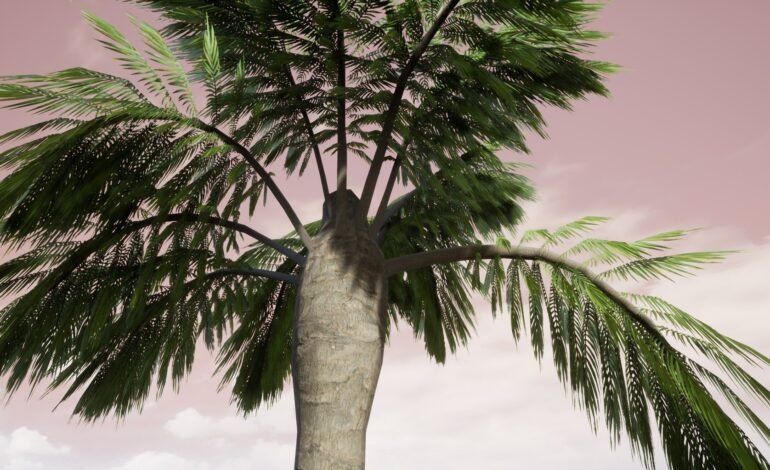

Palm trees are iconic symbols of tropical landscapes and coastal paradises. Their unique silhouettes, lush fronds, and adaptability make them a favorite for landscaping, commercial use, and home gardens. From providing shade to producing delicious fruits, these trees serve both aesthetic and practical purposes. This article explores the most popular palm tree varieties around the world, their uses, and how they contribute to local ecosystems. Additionally, we’ll touch on these trees for sale and highlight the types of palm tree fruit they produce.
1:Why Palm Trees Are So Popular
Palm trees thrive in tropical and subtropical climates. Their popularity comes from several key factors:
- Aesthetic Appeal – Tall, graceful trunks and fan-like fronds create an exotic and luxurious look. They enhance the beauty of beaches, resorts, and gardens.
- Variety of Uses – trees provide food, timber, ornamental value, and raw materials for products such as coconut oil, palm sugar, and palm fiber.
- Adaptability – Many species can tolerate drought, saline soil, and coastal winds, making them suitable for diverse environments.
- Fruit Production – Certain species produce fruits like dates, coconuts, and acai berries, which are commercially valuable and nutritionally rich.
Key point to know: This versatility explains why people not only cultivate trees for landscaping but also seek palm trees for sale to enhance homes, resorts, and agricultural projects.
2:Top Palm Tree Varieties Around the World
1. Coconut Palm (Cocos nucifera)
The coconut palm is arguably the most recognized palm worldwide. Native to tropical regions of Southeast Asia and the Pacific, it thrives in sandy, coastal soils.
- Uses: Produces coconuts, which provide water, milk, oil, and meat. The leaves and trunk are used for construction and crafts.
- Landscape Appeal: Its tall, slender trunk and arching fronds make it perfect for beaches and resort areas.
- Fruit: Known for its nutritious palm trees fruit, coconuts are rich in electrolytes and healthy fats.
You Should Know:This species is often a top choice for those searching for palm trees for sale due to its commercial and ornamental value.
2. Date Palm (Phoenix dactylifera)
Date palms are iconic in Middle Eastern and North African landscapes. They have been cultivated for thousands of years for their sweet fruits.
- Uses: Dates are consumed fresh or dried and are a staple in many diets. The wood and fronds also have practical uses.
- Fruit: Palm trees fruit from date palms are sweet, nutrient-rich, and high in fiber and antioxidants.
- Climate: Thrives in arid, desert conditions with proper irrigation.
Date palms are popular for both commercial cultivation and ornamental planting in gardens worldwide.
3. Royal Palm (Roystonea regia)
Known for its majestic, tall, and smooth trunk, the royal palm is native to the Caribbean.
- Uses: Primarily ornamental due to its striking appearance.
- Landscape Appeal: Ideal for lining avenues, parks, and tropical gardens.
- Fruit: While the fruit is small and not widely consumed, it attracts birds and wildlife.
Royal palms are often sought after as decorative options when looking for trees for sale.
4. Areca Palm (Dypsis lutescens)
Also known as the butterfly palm or golden cane palm, it is a favorite indoor and outdoor ornamental palm.
- Uses: Adds greenery to homes, offices, and landscapes. Acts as a natural air purifier.
- Fruit: Produces small orange fruits that attract birds but are not for human consumption.
- Care: Prefers humid, well-drained soil with indirect sunlight indoors.
Everything You Need to Know: palms are commonly available in nurseries and online trees for sale listings for home and office decoration.
5. Bismarck Palm (Bismarckia nobilis)
Native to Madagascar, the Bismarck palm is known for its silver-blue fronds and massive trunk.
- Uses: Ornamental use due to its dramatic visual appeal.
- Climate: Tolerates full sun and drought, suitable for large gardens and public spaces.
- Fruit: Produces small, rounded fruits that attract wildlife.
Key point to know:Its unique color makes it a preferred choice for high-end landscaping projects and specialty trees for sale markets.
6. Pygmy Date Palm (Phoenix roebelenii)
A smaller relative of the date palm, this variety is ideal for compact spaces.
- Uses: Garden borders, patios, and indoor pots.
- Fruit: Produces tiny dates that are edible but usually decorative.
- Care: Slow-growing, drought-tolerant, and requires minimal maintenance.
Its manageable size and ornamental value make it popular among homeowners shopping for trees for sale.
7. Acai Palm (Euterpe oleracea)
The acai palm, native to South America, is famous for its nutritious acai berries.
- Uses: Acai berries are used in juices, supplements, and superfood bowls.
- Fruit: One of the most commercially valuable trees fruits for health and wellness products.
- Landscape: Adds a tropical look to gardens, especially near water features.
Acai palms are increasingly cultivated worldwide due to the demand for their berries in health-conscious markets.
8. Fan Palm (Washingtonia robusta)
Also known as the Mexican fan palm, it is tall with a fan-shaped leaf crown.
- Uses: Ornamental, streetscapes, and large parks.
- Climate: Thrives in tropical and subtropical areas.
- Fruit: Small black fruits attract birds.
Key point to know:Fan palms are a common choice for homeowners and businesses seeking trees for sale for both visual appeal and shade.
3:How to Choose the Right Palm Trees for Sale
When purchasing trees, consider the following factors:
- Climate Compatibility – Select species that thrive in your local climate to ensure long-term survival.
- Purpose – Decide whether the tree is for fruit production, ornamental use, or landscaping.
- Size and Growth Rate – Some palms grow very tall and may require space; others are slow-growing or dwarf varieties.
- Maintenance Needs – Understand watering, fertilization, pruning, and pest control requirements.
- Vendor Credibility – Choose reputable nurseries or online platforms to ensure healthy, disease-free trees.
You Should Know: Many nurseries now offer both small seedlings and mature palms, making it easier for homeowners and commercial landscapers to acquire trees for sale.
4:How Palm Tree Fruits Boost Health and Economy
Several palm species produce edible fruits, adding economic and nutritional value.
- Coconut: High in electrolytes, healthy fats, and fiber.
- Dates: Rich in natural sugars, antioxidants, and minerals.
- Acai berries: Packed with antioxidants and essential nutrients.
- Betel nuts (Areca): Used culturally in certain regions, though moderation is essential.
Key point to know: These fruits contribute to local diets, global trade, and wellness industries. Whether for personal consumption or commercial farming, trees fruit is a key factor when selecting species.
5:Expert Advice on Nurturing Palm Trees
Proper care ensures long-term health and productivity:
- Watering – Deep watering during dry periods helps establish roots.
- Soil – Well-draining soil prevents root rot.
- Fertilization – Use palm-specific fertilizers rich in magnesium, potassium, and nitrogen.
- Pruning – Remove dead fronds to maintain appearance and reduce pest risks.
- Pest and Disease Management – Monitor for fungal infections, scale insects, and nutrient deficiencies.
Key point to know: Healthy care ensures that palms not only enhance landscapes but also produce quality trees fruit for years.
Wrap up
Palm trees are more than just decorative plants. They provide shade, tropical aesthetics, and valuable fruits like coconuts, dates, and acai berries. Popular varieties such as coconut palms, date palms, royal palms, and acai palms dominate landscapes worldwide. For gardeners, landscapers, and commercial growers, selecting the right species and understanding care requirements are essential. Whether purchasing from a nursery or sourcing trees for sale online, knowledge of climate, purpose, and maintenance ensures successful growth.
These versatile plants continue to capture the imagination of homeowners and businesses, combining beauty, functionality, and economic value. Their fruit, ornamental appeal, and adaptability make them a staple of tropical and subtropical environments globally.
Top Queries About Trees and Buying Tips
1. Which palm tree produces the most valuable fruit?
Coconut palms, date palms, and acai palms are the most commercially valuable for their nutritious fruits.
2. How long does it take for a palm tree to produce fruit?
Depending on the species, most fruit-bearing palms take 3–7 years to mature and produce fruits.
3. Can I grow trees in pots or small spaces?
Yes, dwarf varieties like the pygmy date palm or Areca palm are suitable for pots and compact areas.
4. What is the best way to buy healthy trees?
Choose reputable nurseries or verified online sellers offering disease-free and well-maintained plants.
5. Do all palm trees produce edible fruits?
No. Only specific species like coconut, date, and acai palms produce fruits suitable for human consumption. Other palms may produce small ornamental fruits or seeds.